
Function calling represents one of the most significant innovations in the AI ecosystem of 2026. It allows agents to interact with external tools, APIs, and enterprise systems dynamically, transforming generic language models into truly effective operational assistants. In this tutorial we will explore how to build an AI agent that knows when and how to invoke specific functions to solve complex tasks.
Why Function Calling is Essential
Function calling has revolutionized the way we conceive the interaction between AI and real systems. While traditional language models simply generate text, agents with function calling can perform concrete actions: database queries, API calls, file manipulation, and much more.
In 2026, this technology is mature and accessible through frameworks such as LangChain, CrewAI, and AutoGen. Italian developers are increasingly adopting these solutions, creating intelligent agents for sectors ranging from fintech to e-commerce, from medical diagnostics to business management.
Basic Architecture of an Agent with Function Calling
A modern AI agent is built around three fundamental components: the language model that processes context, the dispatcher that interprets intentions and decides which function to invoke, and the tools that carry out concrete operations.
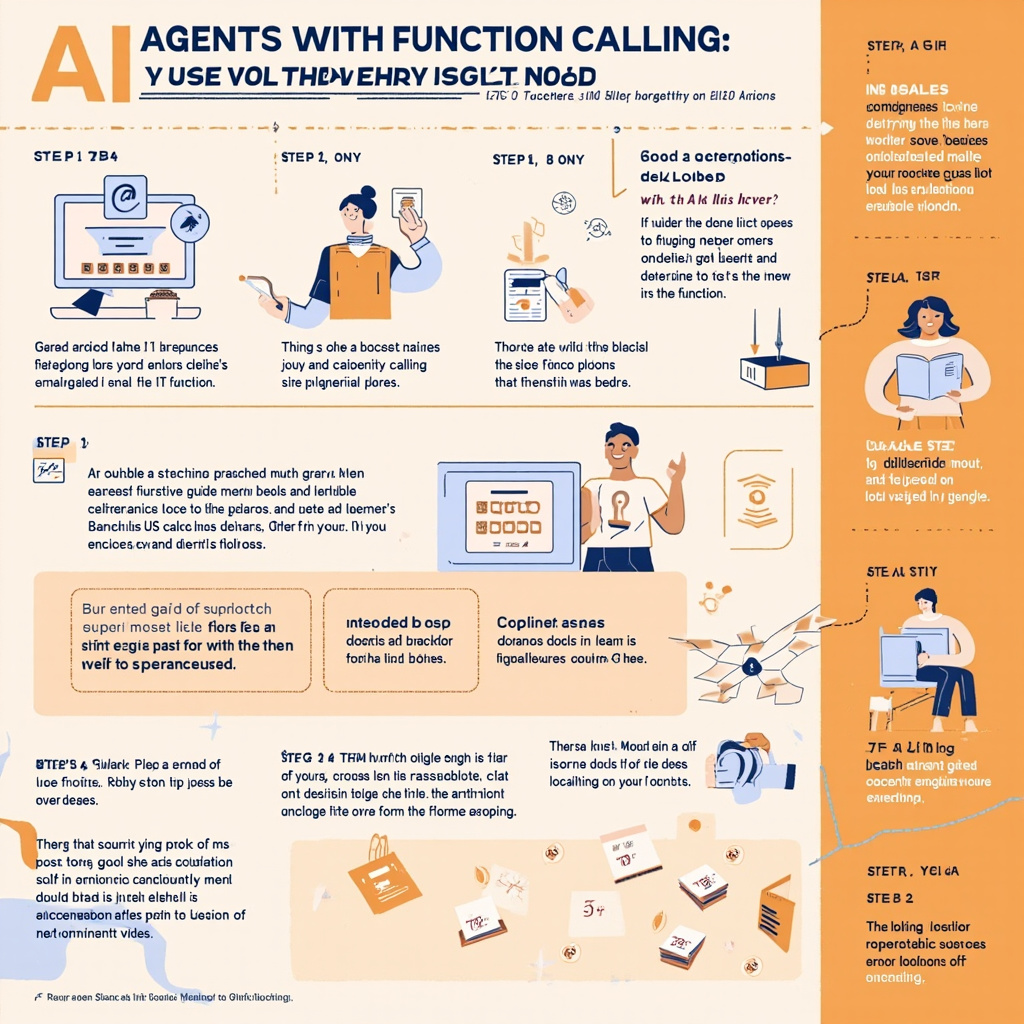
The magic lies in the reasoning loop: the agent receives a prompt, evaluates whether external tools are needed, calls the appropriate functions, processes the results, and generates a final response. This cycle can repeat multiple times until the objective is fully achieved.
- Clearly define your function signatures with OpenAPI documentation
- Implement a fallback system to handle errors and timeouts
- Monitor costs and latencies to optimize calls
Practical Implementation with Python and OpenAI
The first phase consists of defining the functions your agent needs to know. Each function requires a clear description, typed parameters, and an example of use. Modern parsers in 2026 automatically understand many patterns, but precision in documentation remains crucial.
After defining the tools, we configure the client and structure the conversation flow. It is essential to manage system, user, and function response messages within a coherent conversation. The most advanced agents store state between iterations, learning from context to improve performance over time.
Best Practices and Optimizations for 2026
Safety remains a priority: always validate function inputs and isolate critical agents in sandboxes. Intelligent caching reduces costs and latency, while structured prompts improve the reliability of decisions.
Constantly test the agent's behavior with representative datasets and monitor success metrics. The 2026 versions of frameworks offer automated evaluation tools that help identify edge cases and gradually improve your agent's performance.
Practical takeaway: Start with a simple agent that exposes 3-5 well-defined functions, validate its behavior in production with real users, and progressively scale its capabilities. The key to success in 2026 is not technical complexity, but clarity in defining what your agent must know how to do and how to measure its concrete results.
Ti serve una soluzione AI su misura?
EasyTaskFlow sviluppa soluzioni AI personalizzate, hosting dedicato, app mobile e integrazioni API. Raccontaci il tuo progetto.
Contattaci ServizioSiti