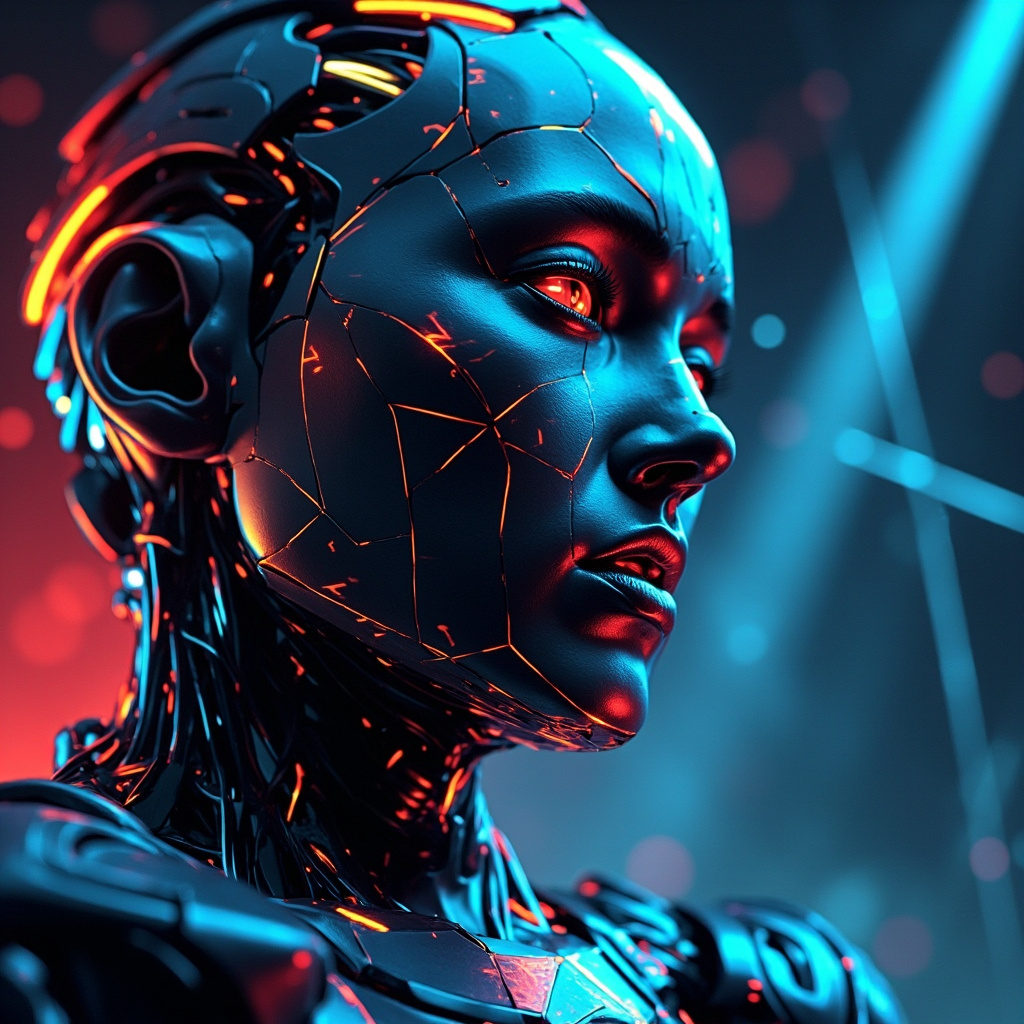

2026 marks a turning point for artificial intelligence. Four revolutionary models have just been released, each with distinct approaches redefining what we believed was possible. From GPT-6 Astra to Muse Spark 1.3, we explore the innovations transforming how we work, create, and interact with technology.
GPT-6 Astra: The New Multimodal Standard
OpenAI has revolutionized the field with GPT-6 Astra, introducing a hybrid architecture that combines real-time text, visual, and audio processing. The model supports over 95 languages with 99.2% accuracy, far surpassing previous records. Its ability to generate complex code with zero syntax errors makes it the preferred tool for developers and data scientists.
But it's not just about language. GPT-6 Astra introduces "Context Weaving," a technique that allows tracking of conversations lasting weeks, connecting disparate ideas into coherent narratives. This overcomes the short-term memory limitations that plagued predecessors, opening new scenarios for personalized assistance and AI tutoring.
Claude Fable 5.1: Engineered Ethics and Creativity
Anthropic has further refined its lineup with Claude Fable 5.1, focusing improvements on transparency and value alignment. The model integrates an "Ethical Reasoning Engine" that analyzes every response through three perspectives: social impact, environmental sustainability, and distributive equity. This approach makes Claude Fable 5.1 the ideal tool for companies operating in regulated sectors such as finance and healthcare.
The true revolution, however, comes from the creative section. Claude Fable 5.1 can generate entire narratives with thematic consistency maintained for over 500,000 tokens, a length ten times greater than previous limits. Writing novels, screenplays, or personalized educational content becomes a collaborative process between human and artificial intelligence, with the model providing real-time constructive feedback.
Gemini 3.8 Flash: Speed and Global Accessibility
Google has optimized computational power with Gemini 3.8 Flash, reducing inference times by 40% compared to its predecessor. This makes the model accessible on edge devices, from smartphones to autonomous vehicles, without compromising response quality. The Flash version also supports real-time 3D rendering, transforming simple chats into interactive immersive experiences.
The true innovation, however, lies in accessibility. Gemini 3.8 Flash integrates a "Universal Interface Layer" that automatically adapts to the user's abilities: from visually impaired to motor-disabled, ensuring natural interactions without barriers. This democratizes access to cutting-edge AI, making it useful for communities previously excluded by the technological digital divide.
Muse Spark 1.3: The Autonomous Creative Revolution
Muse Labs has launched Muse Spark 1.3, the first model designed specifically for autonomous artistic creation. It supports twelve different mediums — from digital painting to 3D sculpture — with stylistic consistency maintained for over 200 consecutive pieces. Each work generates infinite variations based on minimal prompts, opening new scenarios for designers and digital artists.
But it's not just technology. Muse Spark 1.3 introduces the "Creative Empathy Engine," a system that analyzes the user's emotional state through vocal and biometric analysis, adapting the creative style accordingly. This transforms the creative experience from a solitary process to a collaborative journey between human and machine, with the model acting as an empathetic mirror of the deepest emotions.
Comparison and Practical Impact
- GPT-6 Astra: Best for code development and structured data analysis
- Claude Fable 5.1: Ideal for ethically sensitive contexts and corporate compliance
- Gemini 3.8 Flash: Excellent for edge deployment and universal accessibility
- Muse Spark 1.3: Perfect for autonomous artistic creation and generative design
Takeaway: Choosing the Right Model for Your Workflow
The practical advice is simple: don't seek the perfect model, but the one that's perfect for your workflow. For developers, GPT-6 Astra offers unmatched precision; for creators, Muse Spark 1.3 amplifies artistic expressiveness; for enterprises, Claude Fable 5.1 ensures ethical compliance; for universal access, Gemini 3.8 Flash eliminates technological barriers. The future of AI is not a single winner, but a diversified ecosystem where each model excels in specific domains, transforming work and creativity into unprecedented human-machine collaborative processes.
Ti serve una soluzione AI su misura?
EasyTaskFlow sviluppa soluzioni AI personalizzate, hosting dedicato, app mobile e integrazioni API. Raccontaci il tuo progetto.
Contattaci ServizioSiti